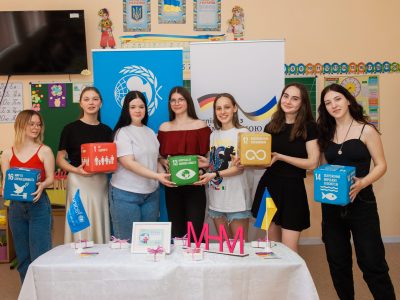
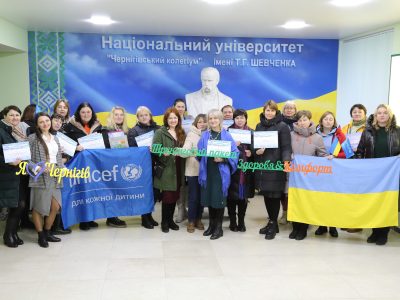
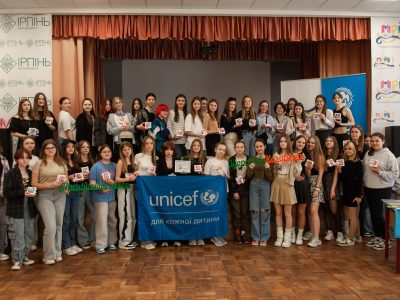
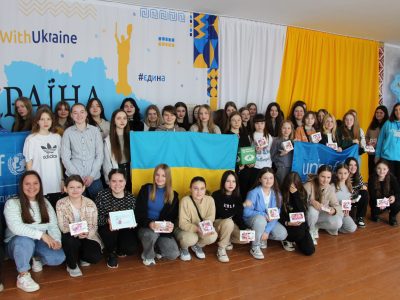
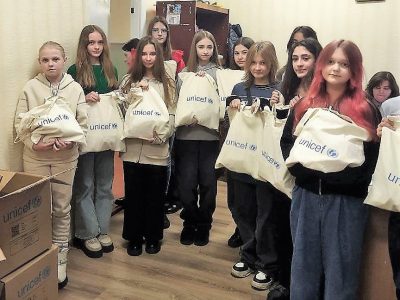
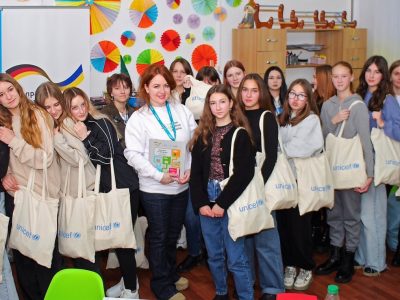
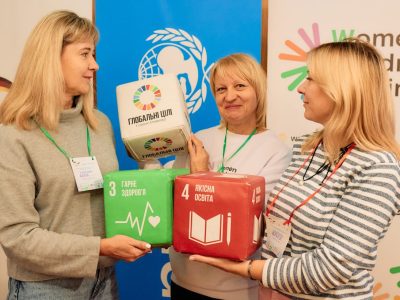
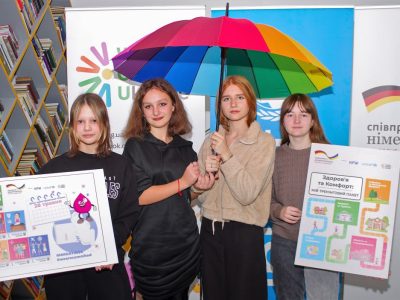
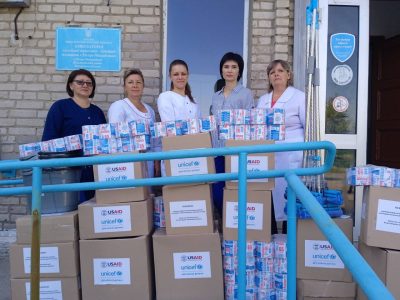
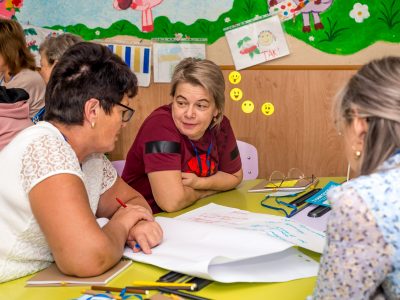
In partnership with UNICEF, we are working to ensure sustainable access to safe water, sanitation and hygiene (WASH) services for vulnerable populations in conflict-affected communities across Kyiv, Chernihiv, Zhytomyr, Sumy, Zaporizhzhia, Kharkiv and Dnipropetrovsk regions.
"
The main goal of the initiative is to ensure sustainable access to safe drinking water, improve sanitation conditions, and promote hygiene safety. All programmes are implemented with a strong focus on the needs of children, parents and caregivers — those who are often the most vulnerable in times of crisis. UNICEF supports the delivery of WASH services that prioritize children’s well-being, ensuring they are safe, accessible, inclusive and appropriate for all ages, genders and social backgrounds.
Our partnership with UNICEF is focused on improving access to quality WASH services through the implementation of long-term, sustainable and gender-sensitive solutions that respond to the real needs of communities. Ensuring access to safe drinking water, adequate sanitation and the promotion of healthy hygiene practices helps strengthen the health, dignity and well-being of children and families in affected areas.
As part of our collaboration, special attention is given to upholding the principles of gender equality and preventing gender-based violence (GBV) — through prevention, response and risk reduction measures within the WASH sector. Our partnership also supports the continuity of essential services in communities hosting internally displaced persons (IDPs), by reinforcing the resilience and adaptability of local systems.
Our Vision
We believe that access to clean water, dignified sanitation and hygiene is not a privilege — it is a fundamental human right. In collaboration with UNICEF, we remain committed to making this right a reality for all children and families who need it most.
Target Areas
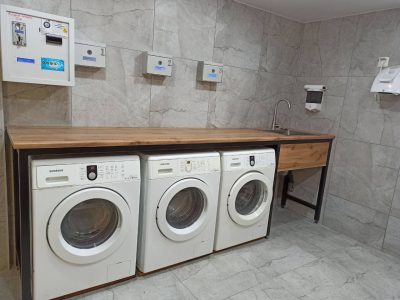
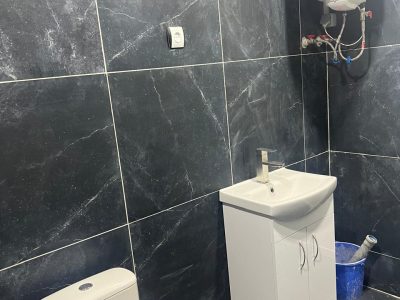
Improving WASH facilities in educational and health care institutions, IDP camps